

Description
Product Overview
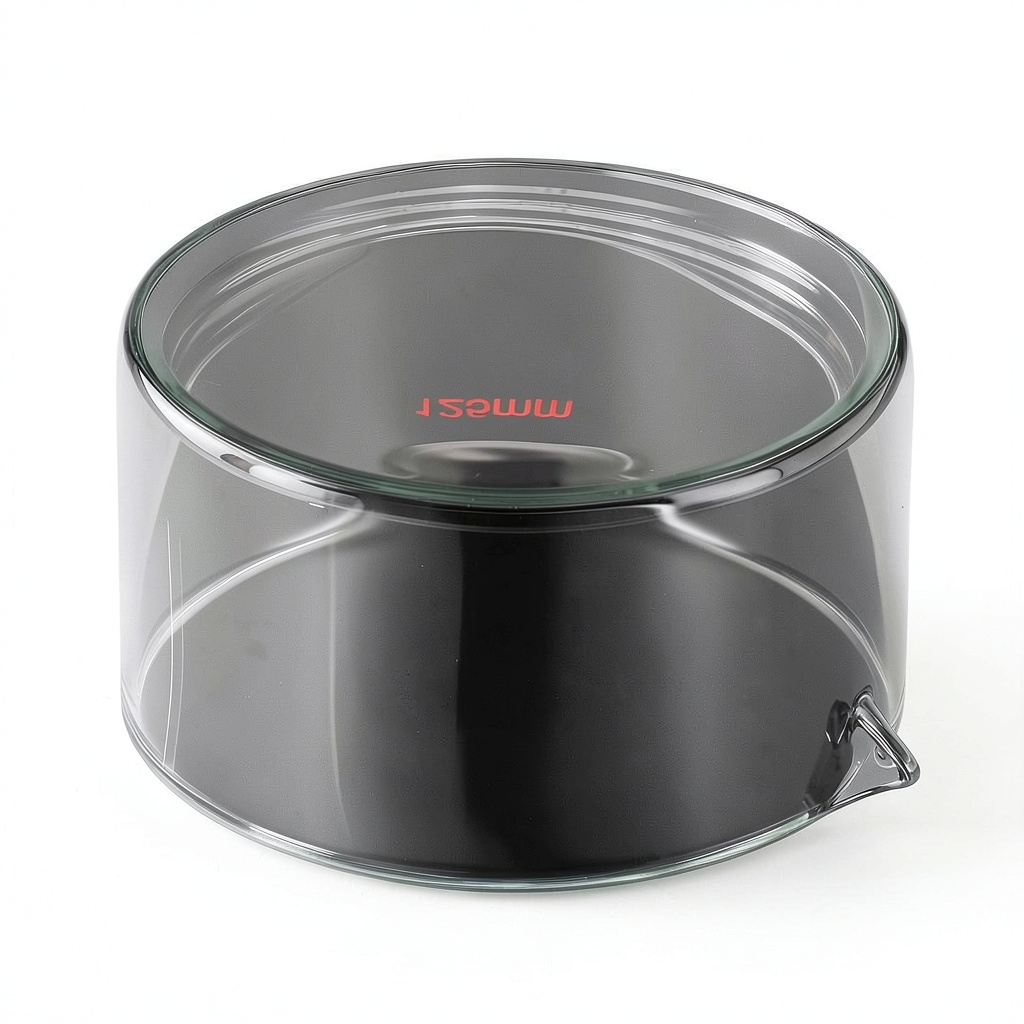
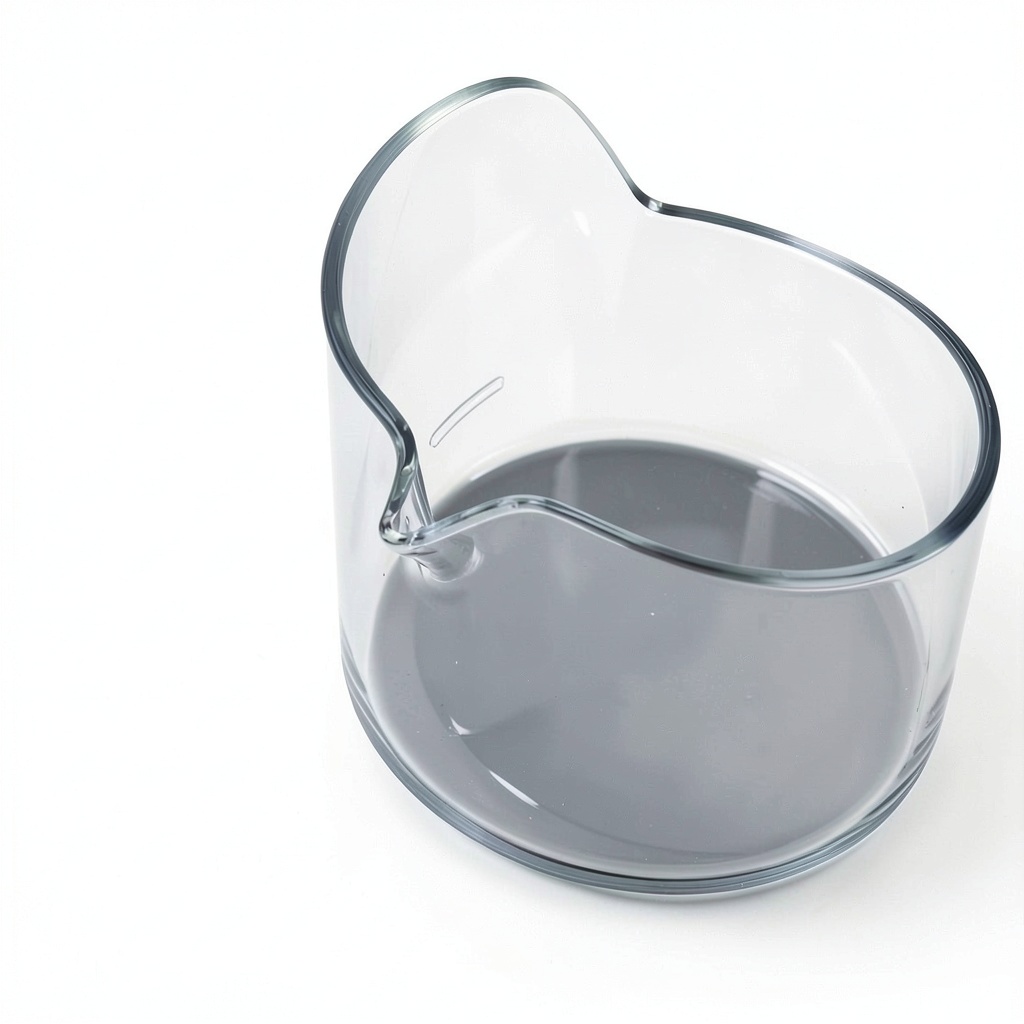
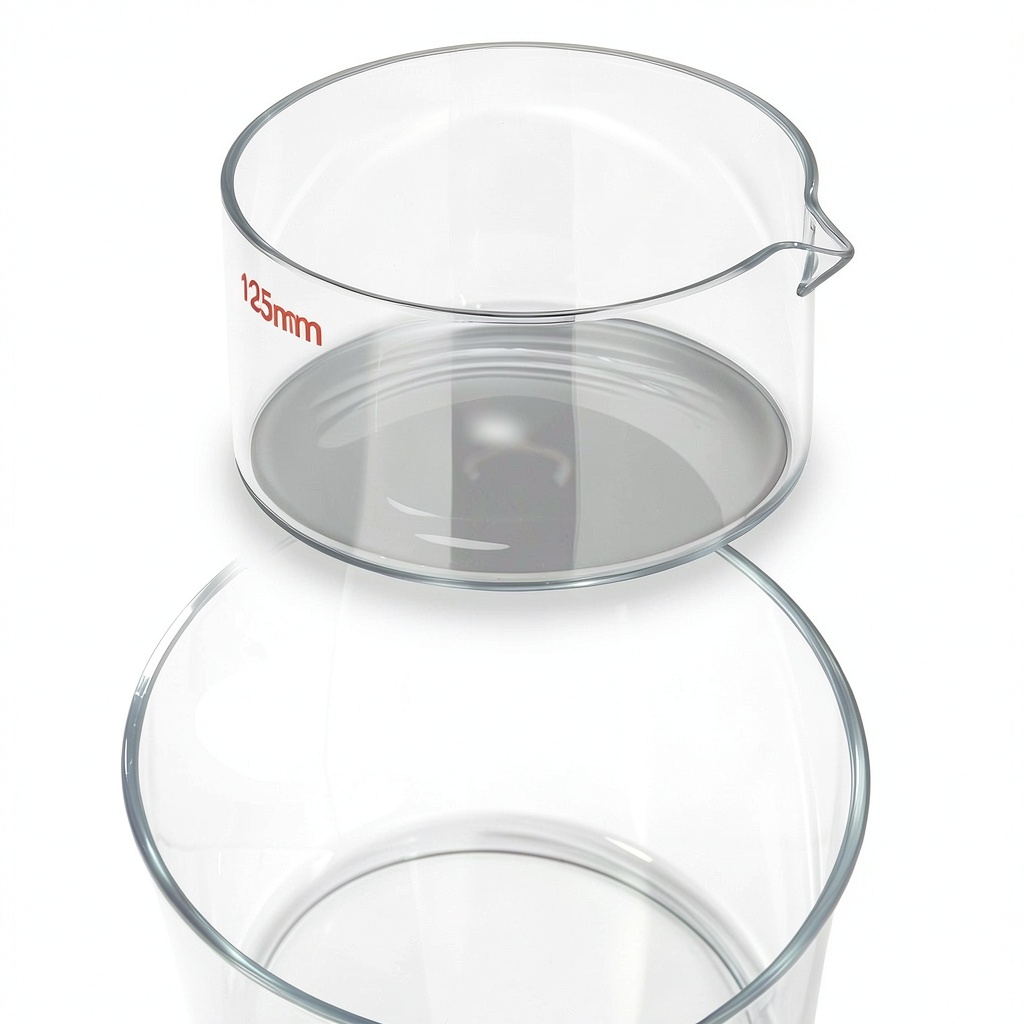
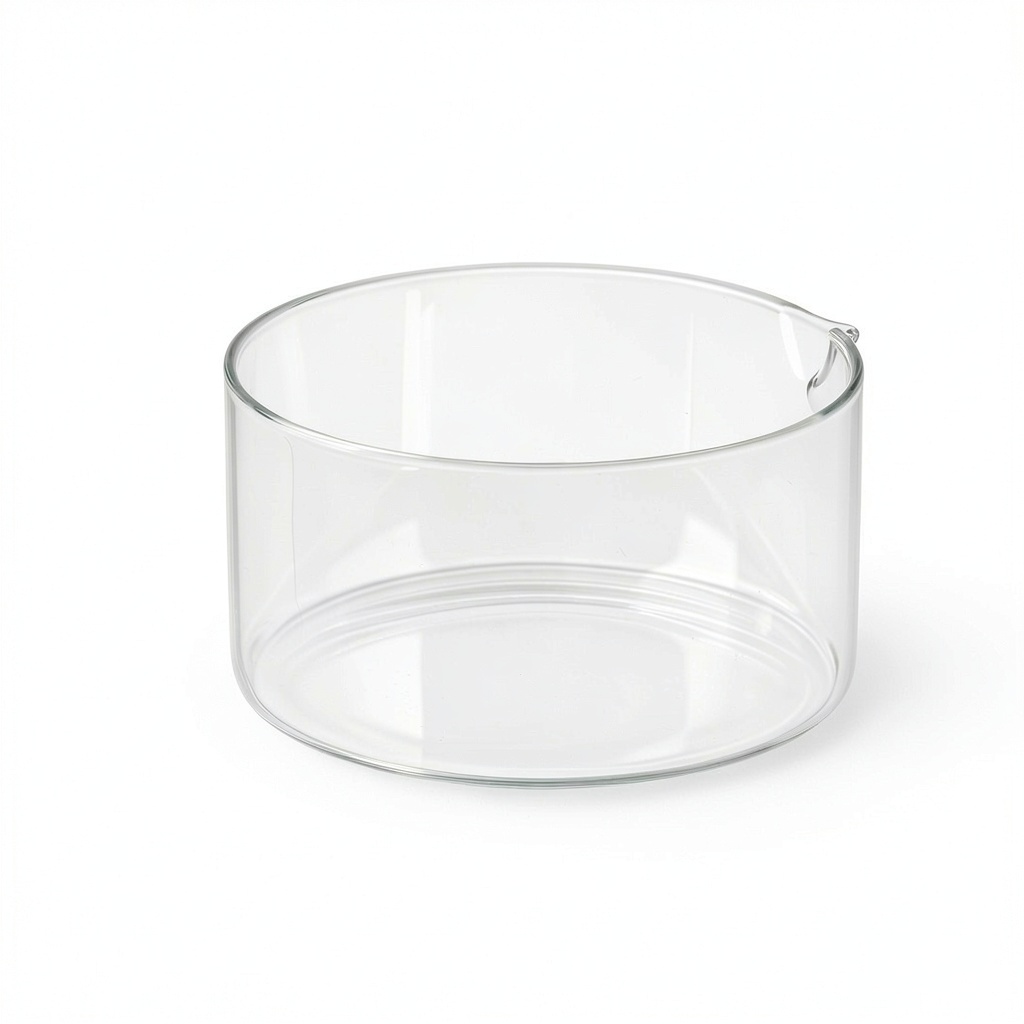
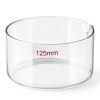
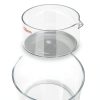
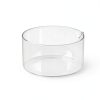
The QWORK Crystallizing Dish offers a 500ml capacity within a robust Borosilicate 3.3 glass construction. This material is renowned for its resistance to harsh chemicals, thermal shock, and mechanical stress, making it an ideal choice for rigorous laboratory applications. The dish features a flat bottom and a seamless design without a spout, ensuring a uniform heating surface and eliminating potential points of leakage. Its dimensions—approximately 4.3 inches in diameter and 2.6 inches in height—provide ample space for sample evaporation while maintaining a compact footprint suitable for standard lab benches and incubators.
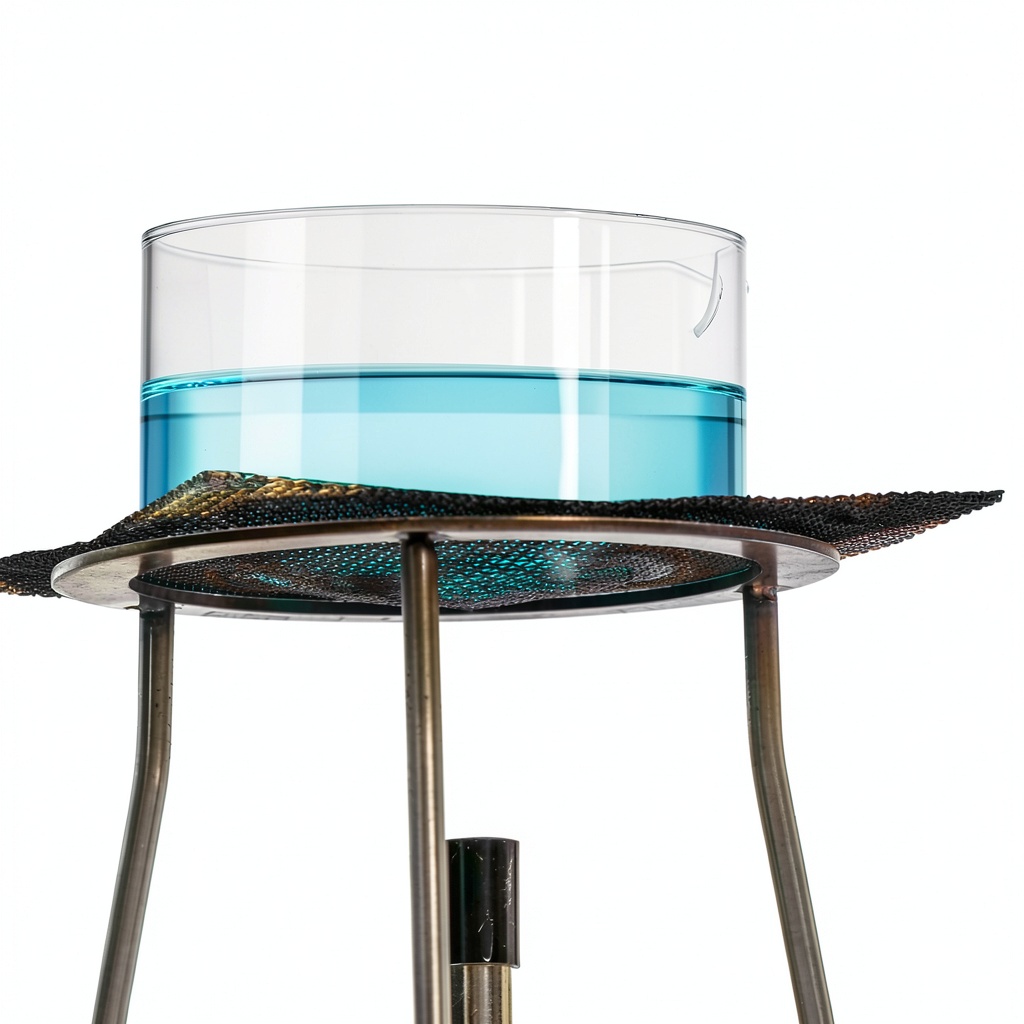
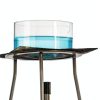
Designed for versatility, the dish can be safely autoclaved at 121°C, exposed to direct flame, and used in a variety of heating devices, including hot plates, ovens, and microwave reactors. The clear, high‑visibility glass allows easy monitoring of reaction progress without the need to open the container, reducing contamination risk. Whether you are conducting analytical chemistry, material synthesis, or educational demonstrations, this dish delivers consistent performance and reliable results.
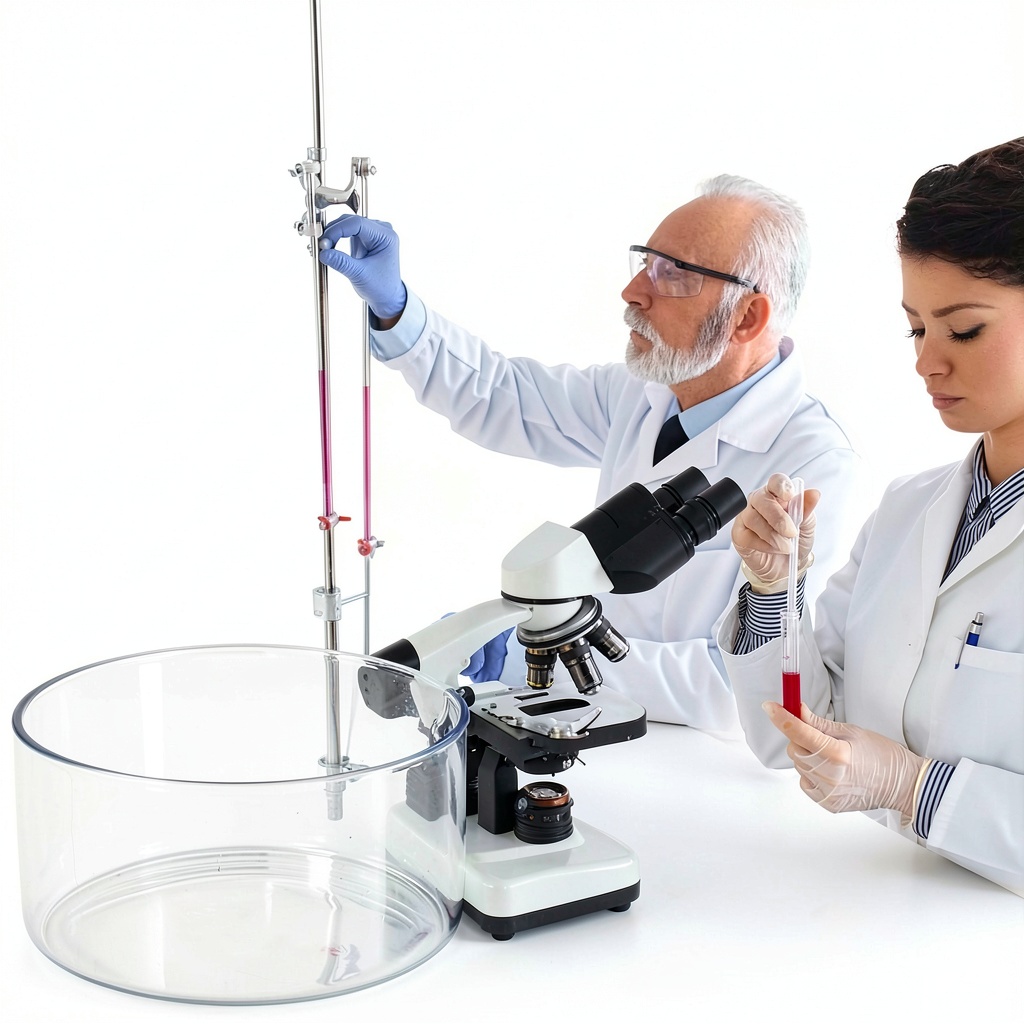
![[Product front view showing all components]](https://www.easydirect.store/wp-content/uploads/2026/08/f7f7aae7377040b4addcbff45e77496c.jpg)
Usage
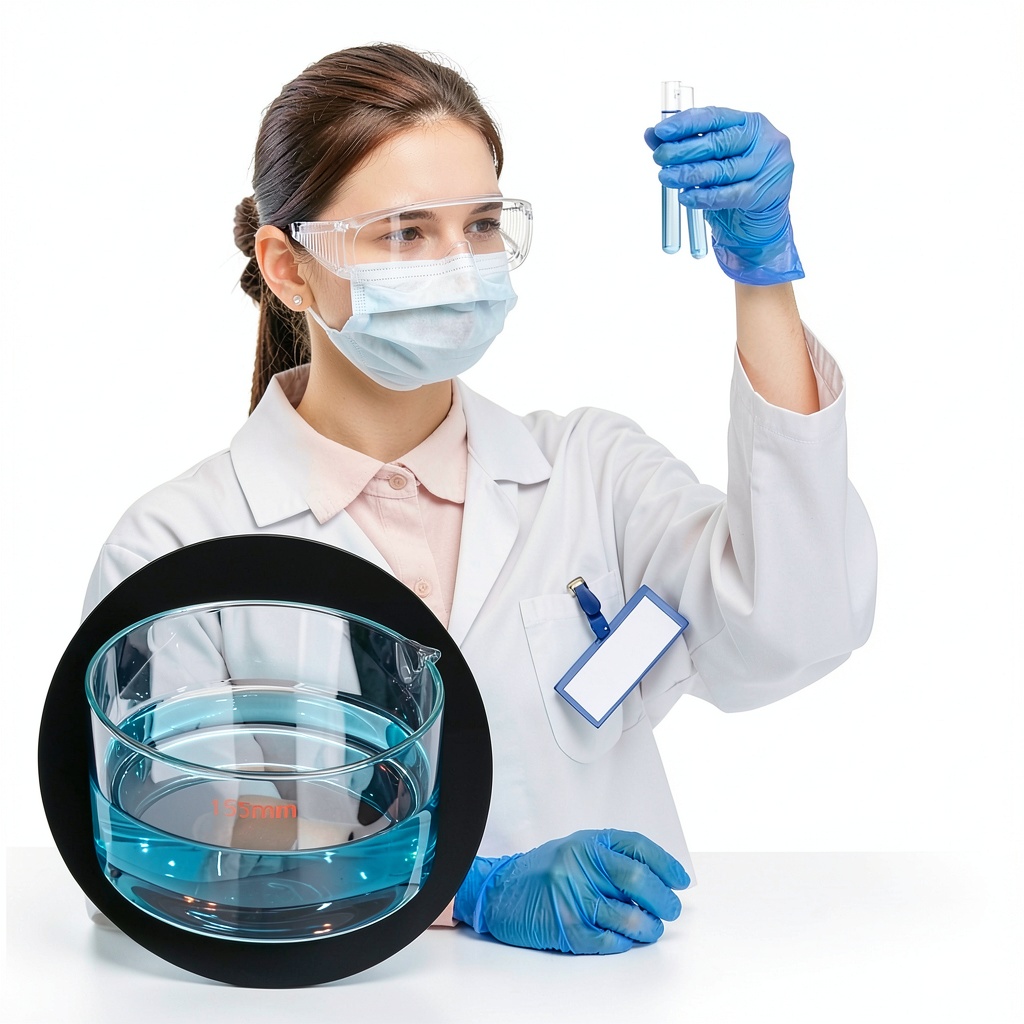
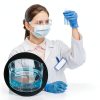
In professional research laboratories, the QWORK Crystallizing Dish is employed for evaporation of solvents, crystallization of compounds, and preparation of thin films. Its chemical‑resistant surface withstands aggressive reagents such as acids, bases, and organic solvents, ensuring that the glass remains intact and uncontaminated throughout the experiment. The flat bottom facilitates even distribution of heat, which is critical for reproducible crystal growth and accurate concentration determinations.
Educational institutions benefit from the dish’s durability and ease of cleaning. Science classrooms can use it for demonstrations of solvent evaporation, salt crystallization, and simple distillation setups. Because the dish tolerates autoclave sterilization, it can be reused across multiple class sessions without compromising safety or performance.
For hobbyists and home‑based scientists, the dish provides a cost‑effective solution for small‑scale synthesis, analytical testing, and DIY experiments that require reliable glassware. Its ability to endure direct flame allows users to perform simple heating tasks on Bunsen burners or portable torches, expanding the range of possible applications beyond the laboratory.
Why Choose Us
QWORK is committed to delivering high‑quality laboratory equipment that meets stringent industry standards. Each Crystallizing Dish undergoes rigorous quality control inspections to verify dimensional accuracy, glass integrity, and chemical resistance. The use of Borosilicate 3.3 glass ensures that the dish can survive repeated thermal cycles without cracking, providing long‑term value for both research and teaching environments.
Our customer support team offers technical assistance, replacement parts, and guidance on best practices for glassware handling. We stand behind our products with a satisfaction guarantee, allowing institutions to purchase with confidence and focus on scientific discovery rather than equipment concerns.
Key Features
- High‑grade Borosilicate 3.3 glass resists chemicals and thermal shock for reliable long‑term use.
- Flat bottom design ensures uniform heating and stable placement during evaporation.
- 500ml capacity balances ample volume with a compact footprint for versatile lab setups.
- Autoclave‑compatible and flame‑tolerant, supporting a wide range of sterilization and heating methods.
- Dedicated QWORK support provides expert advice, quick replacements, and a satisfaction guarantee.
FAQ
Can the dish be used with organic solvents?
Yes, the Borosilicate 3.3 glass construction is chemically resistant to most organic solvents, including ethanol, acetone, and chloroform, making it suitable for a broad range of laboratory applications.
Is the dish safe for repeated autoclave cycles?
Absolutely. The dish is rated for autoclave sterilization at 121°C and can endure multiple cycles without loss of structural integrity or clarity.
What is the maximum temperature the dish can withstand?
The glass can tolerate direct flame and temperatures up to approximately 500°C, allowing use on Bunsen burners, hot plates, and high‑temperature ovens.
Does the flat bottom affect sample evaporation rates?
The flat bottom promotes even heat distribution, which can lead to more consistent evaporation rates compared to dishes with uneven or concave surfaces.
How should the dish be cleaned after use?
Rinse with distilled water, then wash with a mild detergent if needed. For stubborn residues, soak in a suitable solvent compatible with Borosilicate glass, then rinse thoroughly before autoclaving.
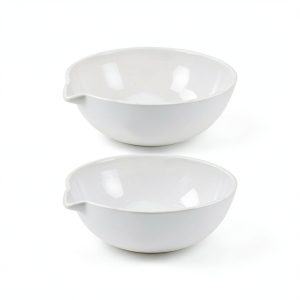
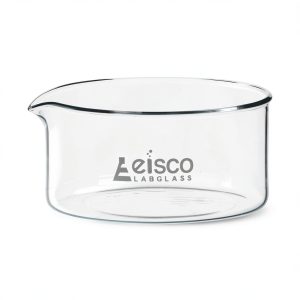

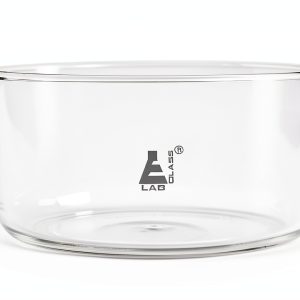 EISCO Crystallizing Dish, 3500ml - Flat Bottom, with Spout - Borosilicate 3.3 Glass - Laboratory, Kitchen, Crafts
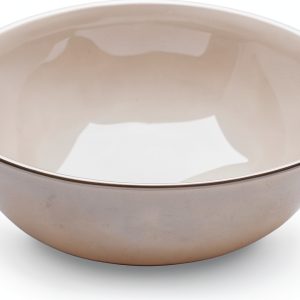
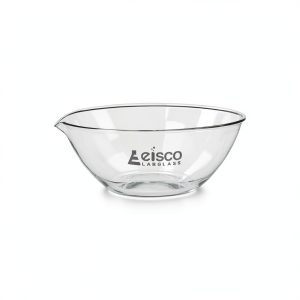
 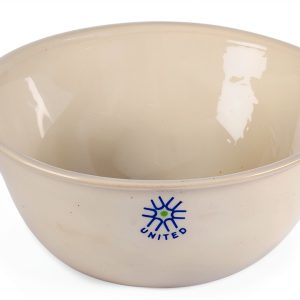 United Scientific Supplies JED120 Evaporating Dish, Round, 120 ml,
Reviews
There are no reviews yet.